More than your vote
Everyone is talking about the results from the Nov. 3 elections for Congress. What many pundits are calling the blue wave or blue tsunami, there is renewed hope and excitement that a Democratic majority in the House and Senate will help the country move forward to address climate change.
But what do we do until the winners take office on Jan. 3 of next year? What do we do until a new president takes office on Jan. 20, 2029? And what do we expect our political leaders to do once they take office?
While it’s important to elect people who we believe will acknowledge and address climate change, it’s just as important that we remember it’s going to take a lot more than voting and waiting for those who won the elections and take office to do something. To do anything.
We simply can’t wait for election results and we can’t wait for the elected officials to take office. We are in a climate emergency where the dramatic news about climate events around the world takes place 24 hours a day. And because these events are becoming more severe and destructive, we have to do more than vote. Voting is only one action among many that we need to take each and every day.
There were four days in October that made it very clear that our climate crisis is only getting bigger.
On Oct. 20, Reuters reported that Johan Rockstrom, director of the Potsdam Institute, while speaking at the Reuters Sustainability Europe Conference, talked about how the damage to the coral reefs and the Amazon rainforest was close to becoming irreversible, and that parts of the Atlantic Ocean circulation system, including the current that moderates Western Europe’s climate with warm water from the Caribbean, were close to collapsing.
“The latest science confirms the world is on course to exceed a 1.5 degrees Celsius rise in average surface temperature in the next few years, increasing the frequency and intensity of extreme weather events,” stated Rockstrom.
On Oct. 21, NPR and the New Scientist reported on the new U.N. Emissions Gap Report which stated that it will be impossible for the world to limit global warming to 1.5 degrees Celsius above pre-industrial levels. In fact, given current policies and initiatives, we’re on track to cause 2.8 degrees of warming by the end of the century.
The report stated, “Without urgent action, keeping peak warming below 1.7 to 1.8 degrees Celsius will generally become impossible.” It recommended that global emissions needed to be reduced by 18% by 2030, 45% by 2035 and 69% by 2040.
On Oct. 22, Grist reported that more than 50,000 people died as five different heatwaves swept across the European continent since May. Also, the temperatures were about 5.2 degrees Fahrenheit (2.9 degrees Celsius) above the 1991 to 2020 average.
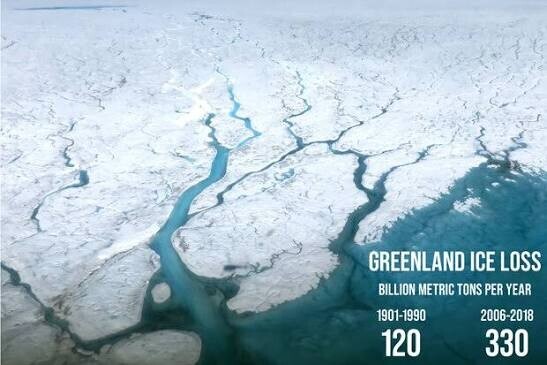
And on Oct. 23, the Guardian reported that the U.S. western region has lost nearly 300 glaciers since the 1960s. According to research published in Proceedings of the National Academy of Sciences, the total area of glaciers in the U.S. West has declined by a third in the past 60 years. And about 12.5 tons of ice have melted from glaciers in Greenland and Antarctica.
Here in Duluth, we have to do more than vote. We have to get out of our personal and collective comfort zones to act up, speak up and find every opportunity to change and transform our lives and the life of our city.
It will be you and I, and the citizens of Duluth, who will push and pull our city forward. We can attend meetings of the city council and Energy Plan Commission. We can write letters to the editors or write guest columns. We can join environmental and climate groups. We can organize gardening projects and solar programs. We can offer support groups for young people dealing with climate anxiety.
In his book Being The Change, Peter Kalmus talks about making simple and small changes in our daily lives to address climate change, and how we can make changes with others in our communities.
“We are like water molecules in a wave; we simultaneously transmit the wave and are moved by it. No one water molecule causes the wave, but together an enormous number of water molecules carry the wave. It’s all of us together, carried by a resonance, that will effect great change,” stated Kalmus.
Beyond your vote, what simple and small changes can you make in your daily life to help our city address climate change? What can you do with others to create a more resilient and sustainable city?