Why is housing so unaffordable?
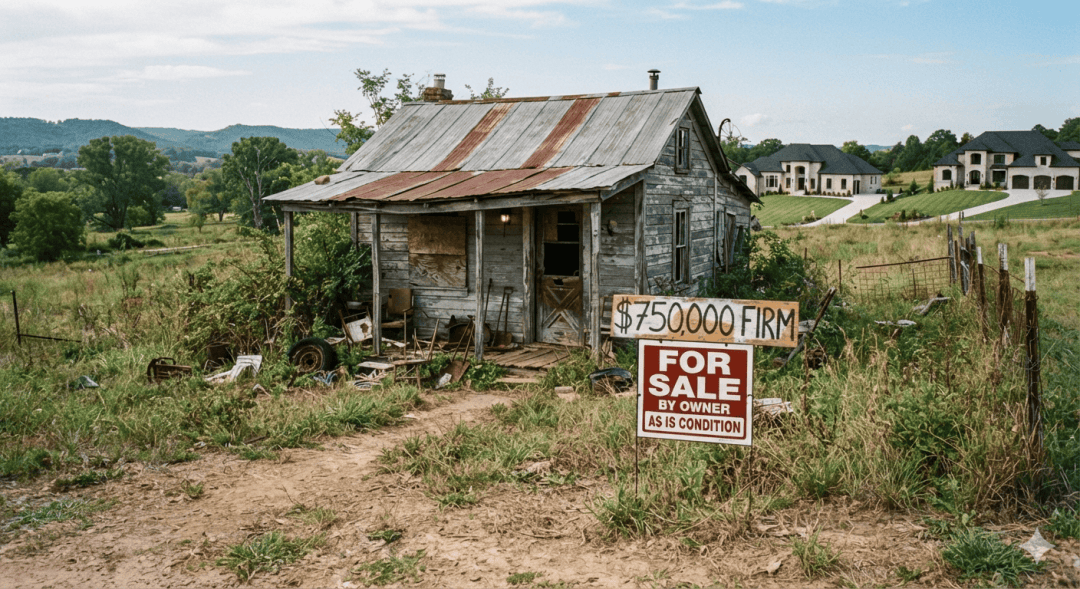
The conventional explanation for the high cost of housing is that the demand exceeds the supply.
The population is growing and not enough new housing is being built. Land in urban areas is scarce and increasingly expensive, which drives up development costs. Inflation has increased the price of building materials and labor.
Conservatives, like Tom Tiffany and Pete Stauber, blame government. Onerous regulations, land use restrictions, building codes and the “red tape” of building permits supposedly drive up the costs.
Their solution to everything is to cut taxes, repeal regulations and let the free market work its magic. But this issue is complicated and will not be solved with simplistic, campaign slogan “solutions.”
Local zoning and land use restrictions, by mandating lot or house sizes and single-family homes, do impact the availability of lower cost apartments and starter homes. But these “regulations” result from existing home owners wanting to keep the riff-raff out and protect their property values.
The well off use their political influence on local government or home owner associations to enact these restrictions. This is more about local prejudice than “big government” interference with freedom.
The national average cost for a residential building permit is $1,688 and range from $525 to $3,114, depending on size and location. With average houses selling for $400,000 (and much more in many urban areas) the cost of a building permit and necessary inspections is insignificant.
Also there is more profit in building larger housing. Many developers and construction companies are not interested in meeting the demand for lower-cost housing.
Another major problem with affordability is poor incomes. The Center for Budget and Policy Priorities says, “...large numbers of workers in low-paying jobs, seniors, people with disabilities and others – can’t afford rents sufficient even to cover the ongoing costs of operating rental housing...”
They say, “No matter how many units are built or how much construction costs are subsidized...” landlords can’t reduce rent enough to be affordable for many people.
There are many reasons for the high cost of housing. All of the above contribute. But there are other, less-often discussed reasons for the current affordability crisis in housing.
There are fundamental problems with the housing “markets” that will not be addressed by free market capitalism. The free market is driven by profit and not the needs, or well being, of people. Maximizing profit is the goal, not creating affordable housing.
With real estate the “value” – that is the price – must continuously increase. Real estate agents, mortgage lenders, landlords, speculators and sellers – all have a vested interest in the price constantly increasing. Much of this is driven by speculators who make money “flipping” properties to exploit these price increases. Everyone involved makes money at the expense of buyers and renters.
Property values going up – that is inflation – is considered positive and a “strong housing market.” The fact that this hurts new home buyers, renters, young people and the poor is ignored.
The “value,” or price, of real estate increases every year. Average home values have increased about 5% annually since 1968. This is called “appreciation” and it is the major source of wealthy building for the middle class.
But it also increases property taxes and insurance costs, which impacts rents or home owner’s ability to pay their mortgage.
Speculation is a major reason for high housing costs. Private equity hedge funds and other “investors” are buying single family homes (and even trailer parks), bidding up prices, raising rents or betting on making money when the “value” increases even more.
In some areas of the country profits can be made “flipping” properties, with or without improvements, in months. This has been a major reason people wanting to actually live in a house can’t afford it or can’t buy it before a speculator outbids them.
In this kind of housing market even people with good incomes and credit have trouble buying a house. The half of the country who have inadequate incomes have no chance of buying even substandard housing or affording the cost of rent.
Housing costs and rent have grown much faster than incomes. From 2001 to 2022, rents have increased by 21% (adjusted for inflation) but median incomes only rose 2%. These people are often “cost-burdened” and are paying 30-50% of their incomes on housing.
Thanks to Republicans and budget cuts, federal housing assistance in the past 15 years has been stagnant. Currently, only about one in four eligible households with a housing burden receives government housing assistance of any kind.
Rather than making America great they are making us poorer.
The truth is free markets will never – and never have – provided decent, affordable housing. Like healthcare and childcare, these necessities must be subsidized or provided by government. They are a public goods and a public responsibility for a decent society.
Nick Hanauer, my favorite wealthy person expert on economic fairness, says, “...the affluent will be taken care of by the market...[for] Low income households, there’s going to have to be some sort of government subsidy on either the construction side of it or the capital side or on the rent side ...Solutions require large-scale public investment, aggressive renter protections, zoning reform, and policy interventions rather than assuming the free market will naturally self-correct.”
Without housing subsidies, public housing, nonprofit housing or other options for housing lower income folks will never have a decent place to live.
The big housing boom following WW2 that built the middle class suburbs was fueled by rising working-class incomes, the highest union representation in history, and government-backed mortgages and housing programs.
Home ownership became the American Dream and a reality for some 65% of working class people (especially if you were white).
A similar public effort will be needed today to address the housing shortage and affordability issues.
A truly “good” economy would be stable and fair. All people should earn enough to live decently. Interest rates should be low enough to be affordable for consumers but still give savers a decent return and be predictable for businesses.
Housing, food and healthcare should be affordable. Income inequality should be reasonable and no one would be a billionaire.
But these sensible economic goals are rejected by both Republican and most Democratic politicians in favor of greed.