Has America forgotten the reason for Labor Day?
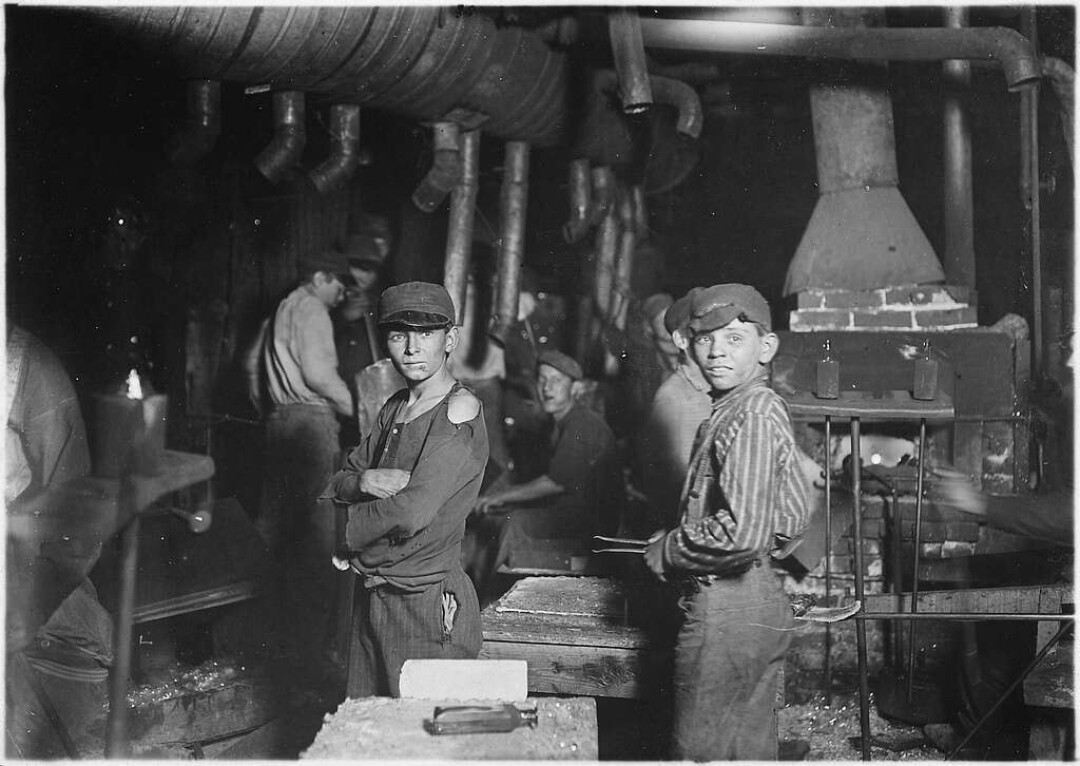
Children working the midnight shift at an Indiana glass factory in August 1908. Photo by Lewis Hine while working for the National Child Labor Committee.
What is Labor Day but a day off, the culmination of a long weekend.
Oh, yeah, and the unofficial end of summer, one last cookout before the school buses return and autumn settles in.
But that isn’t why Americans have Labor Day.
The holiday was born not from corporate generosity or government benevolence, but from working people organizing, marching, striking and demanding to be treated as human beings rather than replaceable parts in an industrial machine.
The first Labor Day celebration took place in New York City on Sept. 5, 1882. About 10,000 workers marched in the streets, then gathered for a picnic, concert and speeches. They were making a public statement about the dignity of work and the strength of organized labor.
At the time, American workers routinely endured brutal conditions: long hours, dangerous workplaces, poverty wages and little legal protection. Labor unions were frequently treated as threats rather than institutions representing ordinary Americans.
The holiday spread. Oregon became the first state to recognize Labor Day in 1887, and by 1894, 23 additional states had adopted it. On June 28 of that year, President Grover Cleveland signed legislation establishing Labor Day as a national holiday.
There is an irony in that date.
In 1894, the same year the federal government made Labor Day official, it was using federal power against striking workers.
The Pullman Strike began after workers at the Pullman Palace Car Company protested wage cuts and harsh working conditions. Eugene V. Debs and the American Railway Union backed a boycott that spread across much of the nation’s rail system. The federal government responded with injunctions and troops. The strike was crushed, and Debs was imprisoned.
The era also produced some of the most enduring images of American working life.
Photographer Lewis Hine spent years documenting workers and workplaces, including his striking Men at Work photographs. His images captured something statistics cannot: the physical courage, skill and danger that could be part of earning a living in industrial America.
Hine’s photographs remind us that the progress associated with American industry was built by people whose names rarely appeared in corporate histories. They climbed the steel, operated the machinery, worked the mines and mills and performed jobs that could maim or kill them. Their labor helped build the modern nation, even when their safety and security were treated as secondary concerns.
That history matters in 2026.
Labor Day is often presented as though the rights American workers enjoy simply appeared as part of the natural progress of the country. They didn’t.
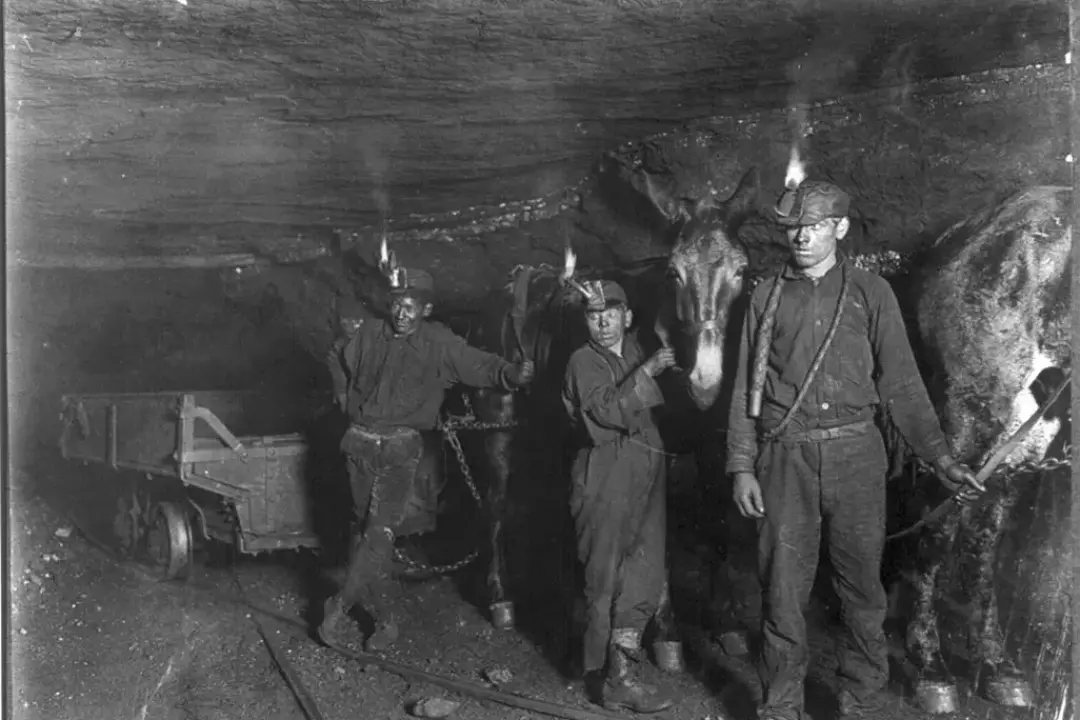
Child coal miners in Gary, West Virginia ,in 1908. Working conditions were brutal for coal miners and unionization was violently suppressed. Photo by Lewis Hine.
The eight-hour day, workplace safety laws, overtime protections, Social Security, collective bargaining and many other gains came because workers organized and demanded them.
And that is why Labor Day remains relevant in an America where the Trump administration has made weakening organized labor and the federal workforce a central part of its agenda.
In 2026, unions are fighting administration efforts that have stripped or threatened collective bargaining rights for large numbers of federal employees. Federal workers have faced efforts to make them easier to fire, while unions have challenged new rules in court.
The administration’s approach to workers is also visible beyond federal employees. It has pursued major changes to workplace regulation and enforcement. Critics have argued that reducing worker protections while making it easier for employers to classify people as independent contractors can shift power away from employees and toward corporations.
There is a larger question underneath all of this: Who is the economy for?
That question was present when workers marched down the streets of New York in 1882. It was present when railroad workers went on strike in 1894. It was present when miners, steelworkers, loggers, factory workers, teachers, nurses and construction workers organized generations later.
And it is present today.
The American economy is often described in terms of markets, corporations, investment and gross domestic product. But none of those things gets out of bed in the morning. People do.
People drive the trucks. They stock the shelves. They teach the children. They care for the elderly. They build the houses. They harvest the crops. They repair the machines, clean the hospitals, cook the food, deliver the packages and keep the power running.
The wealth of a country does not materialize from a boardroom. It is created by human labor.
That is the lesson worth remembering this Labor Day.
And if the current administration seems to some Americans corrupt, incompetent or contemptuous of ordinary working people, Labor Day offers a useful corrective.
Presidents come and go. Administrations come and go. Political slogans come and go.
Workers remain.
The people who organized the first Labor Day didn’t ask permission to be proud of their work. They took to the streets. They understood something that is easy to forget during a holiday weekend: rights that aren’t defended can be lost.
So enjoy the day off. Sleep late. Grill something. Watch a baseball game. Take the kids to the lake.
But remember what the holiday actually means.
Labor Day isn’t a celebration handed down from Washington. It is a reminder of what working people can accomplish when they stand together — and of what can happen when those in power forget that the nation’s strength ultimately belongs to the people who do the work.